Herbs, Oils and Things
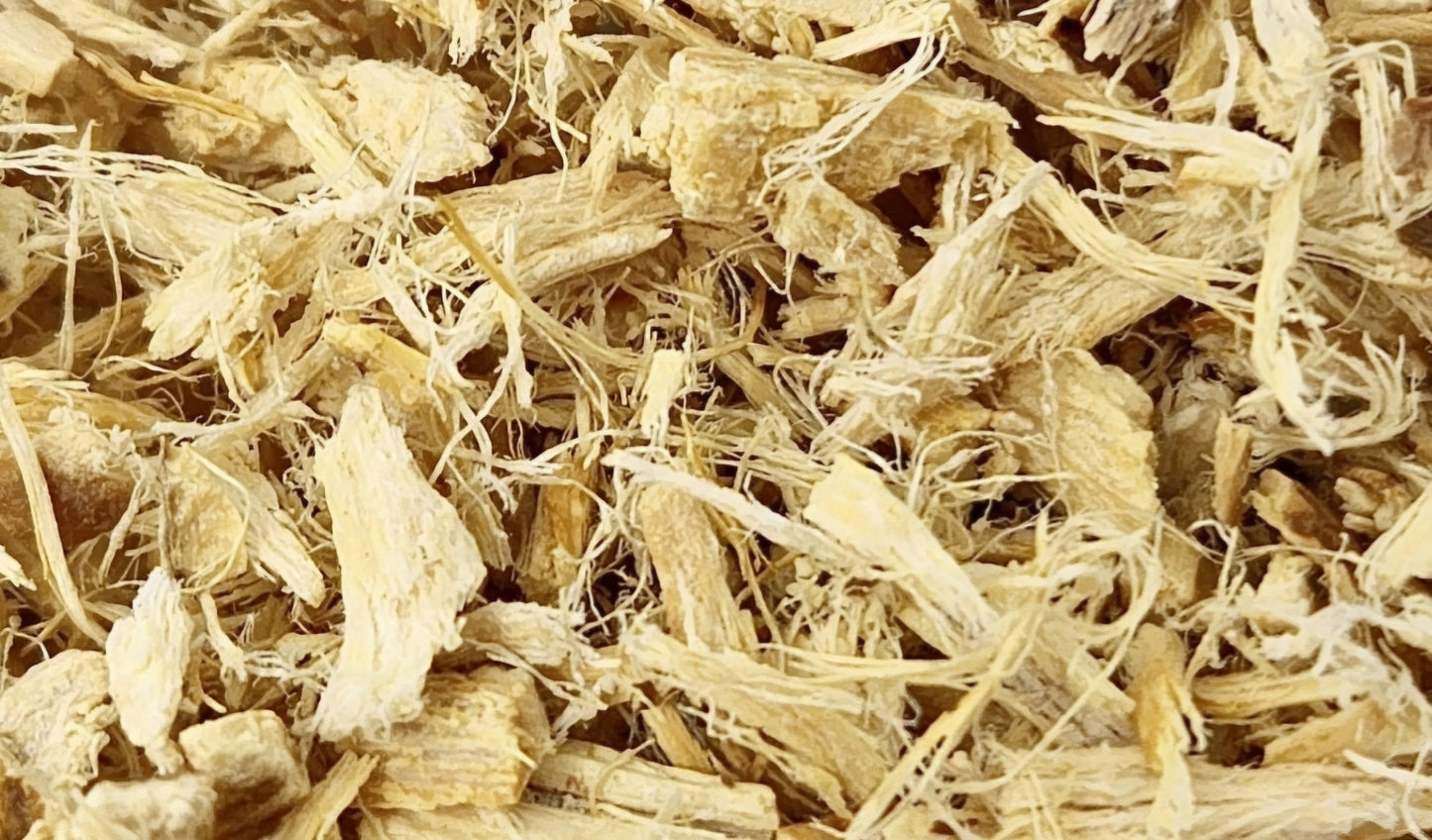
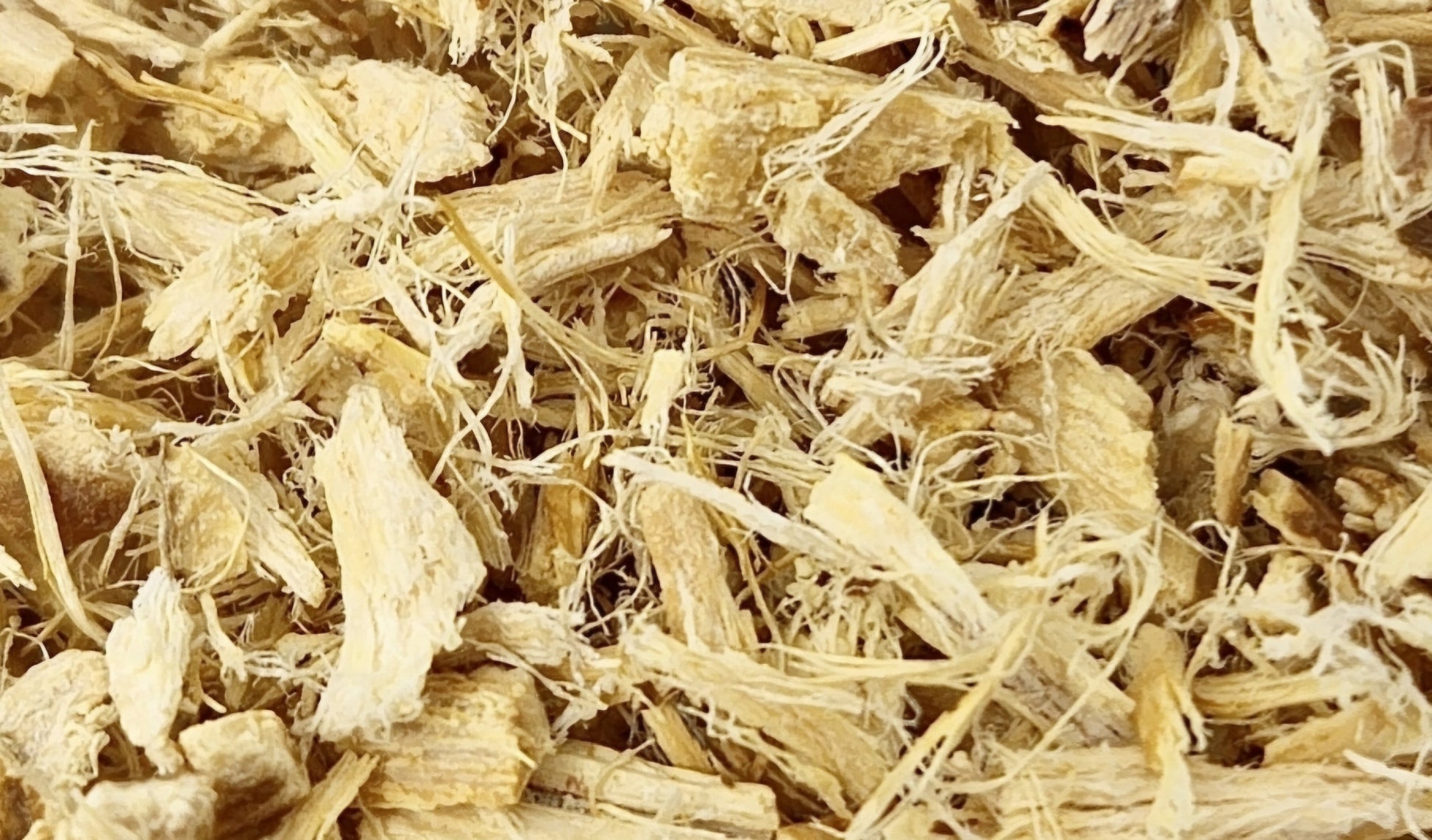
Licorice Root
Licorice Root
Couldn't load pickup availability
Glycyrrhiza glabra | Digestive Comfort · Throat Soothing · TCM Harmonizer
It's rare for a single herb to show up independently in ancient Egyptian tomb records, classical Greek medicine, foundational Chinese herbal texts, and Ayurvedic tradition — but licorice root managed it. Four civilizations, one root, one remarkably consistent reputation.
In Traditional Chinese Medicine, licorice root (Gan Cao) is called "the great harmonizer" and appears in more classical formulations than almost any other single herb. Its signature compound, glycyrrhizin, is responsible for both its intense natural sweetness and its documented relationship to blood pressure and potassium with prolonged use — which is exactly why traditional practice across every culture that's used it has emphasized moderation.*
Why Licorice Root?
- May support normal, healthy digestive comfort*
- May support normal, healthy throat and respiratory comfort*
- May support normal, healthy stomach lining comfort*
- Documented independently across Egyptian, Greek, TCM, and Ayurvedic tradition
- Called "the great harmonizer" in Traditional Chinese Medicine
- Naturally, intensely sweet — a little goes a long way
- Referenced in the Shen Nong Ben Cao Jing, one of the oldest medical texts on Earth
- Traditionally used in moderation, not as an everyday tea
How to Brew
- Add 1 tsp licorice root to water
- Bring to a light simmer, cover, and decoct for 10–15 minutes
- Strain and enjoy — start with a shorter steep, as licorice root's sweetness is potent
Traditional tip: In TCM tradition, licorice root is rarely used alone — it's the herb added in small amounts to harmonize an entire formula. Try it in small proportion alongside ginger or astragalus.
Supplement Facts Summary
Serving size: 1 tsp (2g) root, approx. 45 servings per package. Key compounds: glycyrrhizin, flavonoids, isoflavones. Nutritional values are approximate and vary by harvest.
Bundle With
Licorice Root pairs naturally with Ginger and Astragalus for a TCM-inspired harmonizing trio, or Marshmallow Root for a soothing digestive duo.
Frequently Asked Questions
Is it safe to drink every day? No — licorice root is traditionally used in moderation, not as an everyday all-day tea, due to its glycyrrhizin content.
Can I drink this if I have high blood pressure? Not recommended except under professional guidance — prolonged or high-dose use may raise blood pressure and lower potassium levels.
Does it interact with medication? Consult your healthcare provider before use if you take blood pressure medication, diuretics, or corticosteroids.
Is it safe during pregnancy? No — avoid use during pregnancy.
These statements have not been evaluated by the Food and Drug Administration. This product is not intended to diagnose, treat, cure, or prevent any disease.
Share